AMANAH
Human dignity, documented.
Rights, protected.
AMANAH is an emerging humanitarian initiative focused on human dignity, rights, documentation, advocacy, and the continuity of essential human needs.
The framework
Continuity of dignity
Crisis does not only destroy buildings and borders — it interrupts the quiet, essential things that make a life whole. AMANAH's work is anchored in six connected needs that must continue.
Safety
Freedom from violence, coercion, and fear.
Education
Learning that continues across every disruption.
Health
Care that reaches people, wherever they are.
Identity
Names, papers, and personhood no crisis can erase.
Livelihood
The means to sustain a family with dignity.
Belonging
Community and culture carried through displacement.
What we stand for
Six dignities
Everything AMANAH documents, and everything it advocates for, is anchored in these human needs.
Safety
Freedom from violence, coercion, and fear.
Harm is recorded, named, and remembered — never treated as normal.
Education
Learning that continues across every disruption.
Every interruption to learning is treated as a dignity concern.
Health
Care that reaches people, wherever they are.
Access to care is documented as a right, not a privilege.
Identity
Papers, names, and personhood no crisis can erase.
Losing identity is itself a harm worth documenting.
Voice
Testimony that travels beyond borders.
Those affected speak first; everything else follows.
Belonging
Community and culture carried through displacement.
What is carried — language, faith, memory — matters as much as what is lost.
Why Action Is Urgent
Afghanistan's humanitarian baseline remains severe.
People in Need
Need Health Assistance
Children Malnourished
Girls Out of School
Health Facilities Closed
Figures: published United Nations humanitarian assessments for Afghanistan — external context, not AMANAH's own activity.
AMANAH is a people-first movement to protect Afghan citizens from violent abuse, rights violations, and social collapse. It addresses extremist coercion, civilian killings, abuse of women and girls, denial of education, and failures in health access.
Built for action: clear demands, named stakeholders, measurable timelines, and public accountability.
12-Month Goals
What AMANAH Works Toward
Reduce civilian killings, arbitrary detention, and abuse through verifiable protection systems.
Restore women and girls' access to public life, services, and safety.
Reopen pathways for girls' secondary education.
Stabilize frontline health and maternal-child services.
Protect humanitarian access and female frontline workers.
Publish monthly accountability scorecards.
The Framework
Continuity of Dignity
Displacement does not just take people from their homes — it interrupts life itself. The Continuity of Dignity framework keeps every broken thread of a displaced life visible, documented, and answerable.
What Displacement Interrupts
When people are forced to move — by war, climate, persecution, or poverty — eight threads of life are put at risk at once. AMANAH documents each one, wherever displacement strikes, and routes the evidence to those who can respond.
Documentation is the first act of restoration.
A global framework — applied wherever people are forced to move.
Education
Learning continues — schools, certificates, and recognition
Health
Care survives movement — records, treatment, and wellbeing
Identity & Legal Status
No one loses personhood — documents, status, and belonging
Family Unity
Families stay traceable, protected, and together
Livelihood
Work and skills travel with people, not behind them
Culture & Heritage
Language, faith, and heritage remain in people's hands
Digital Access
Connectivity and digital identity move with the displaced
Community
Support networks are rebuilt wherever people go
Public Demands
Five Immediate Demands
End coercive policies and abusive enforcement that violate dignity and rights.
Stop arbitrary detention and protect civilians from violence.
Reopen girls' education pathways now.
Restore health access, especially for women and children.
Put citizens' welfare at the center of every security and political decision.
"This movement is not against a people; it is for the protection, dignity, and future of every Afghan citizen."
Voices of Change
Community Voices
Experiences shared by the community, in people's own words. Stories are published only after review — nothing here is written by AMANAH.
Stories will appear here once approved.
In Solidarity
Standing with Palestine & the Gaza Strip
Dignity knows no borders. AMANAH extends its people-first movement to the civilians of Palestine, whose lives, homes, and futures are being erased. Protection, rights, education, and health are universal — not conditional.
People displaced across the Gaza Strip
Population facing acute food insecurity
Of housing units damaged or destroyed
Functioning hospitals at full capacity
Protection of Civilians
Documenting harm, advocating for ceasefire, and demanding accountability for violations of international law.
Humanitarian Relief
Channelling food, water, and medical aid to families trapped under bombardment and siege.
Education Continuity
Supporting displaced children with safe learning spaces so a generation is not erased.
Health Access
Standing with medics and restoring care where hospitals have been reduced to rubble.
"A child in Gaza is no less deserving of safety than a child in Kabul. Our movement is for every human dignity — everywhere."
Support & Solidarity
Support Humanitarian Work
AMANAH is an emerging initiative with no paid staff or field operations yet. You can support established humanitarian organizations directly, or send voluntary support to this initiative.
The Registry
Become a Guardian
This is not a sign-up form. It is a commitment — a record of your stand for the protection, dignity, and future of Afghan citizens.
The Almanac
Knowledge Archive
Primary sources, reports, and evidence that underpin every AMANAH demand and action.
Afghanistan HNRP 2026 Summary
Shelter Cluster
WHO Health Emergency Appeal 2026
World Health Organization
Public Health Situation Analysis – March 2026
World Health Organization
UNICEF Afghanistan 2026 HAC Appeal
UNICEF
UNESCO and UNICEF: Protect Right to Education
UNICEF / UNESCO
Taliban Responsible for Revenge Killings, Torture
UN Geneva / OHCHR
UNAMA Report on Abuses Against Former Officials
UNAMA
Update on Civilian Casualties in Afghanistan
UNAMA
Impact of PVPV Law in Afghanistan
UNAMA
UNHCR Afghanistan Data Portal
UNHCR
Movement Spearheader
The Voice Behind AMANAH
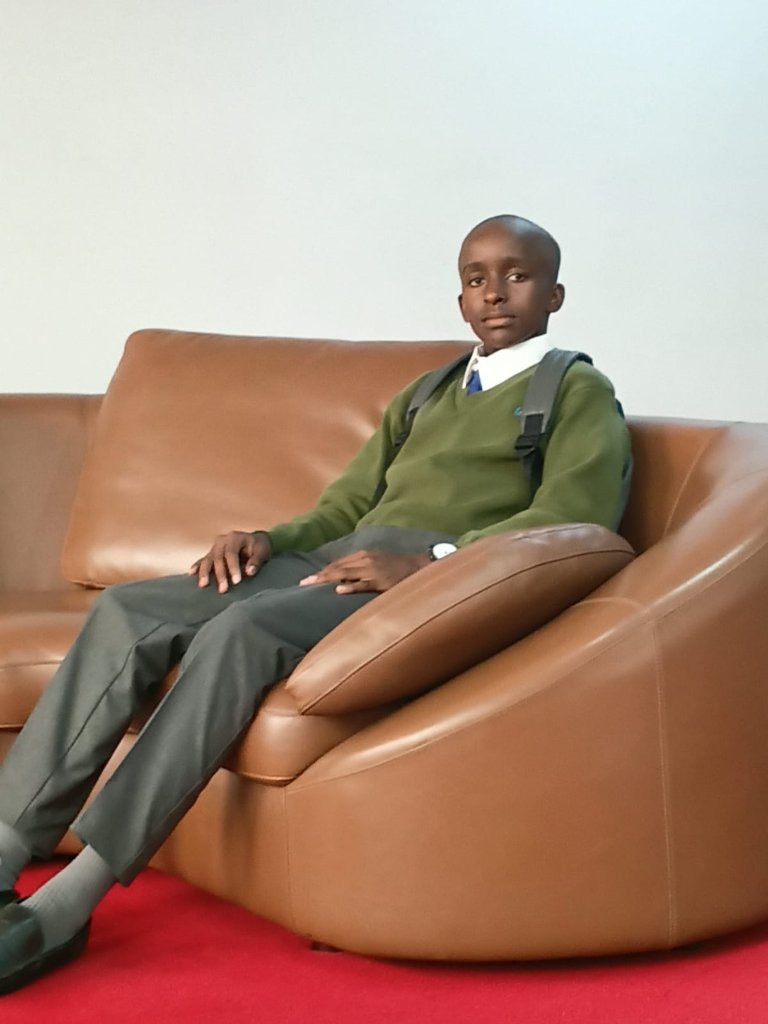
Victor K. Rono
Spearheader, AMANAH Movement
A young leader committed to human dignity, justice, and accountability. Victor drives the AMANAH movement's mission to protect the rights of every Afghan citizen through principled, nonviolent action.

